


Future Trends of Home Robotics and Smart Living

Abstract
The integration of robotics and smart technologies into everyday household life is reshaping modern family lifestyles. Driven by advancements in artificial intelligence (AI), increasing consumer demand for convenience and health-focused solutions, and rapid adoption of smart home systems, the home robotics market is poised for exponential growth. This paper analyzes the current status of the industry, quantifies market expansion projections with authoritative data, and outlines major future development trends through 2035.
1. Introduction
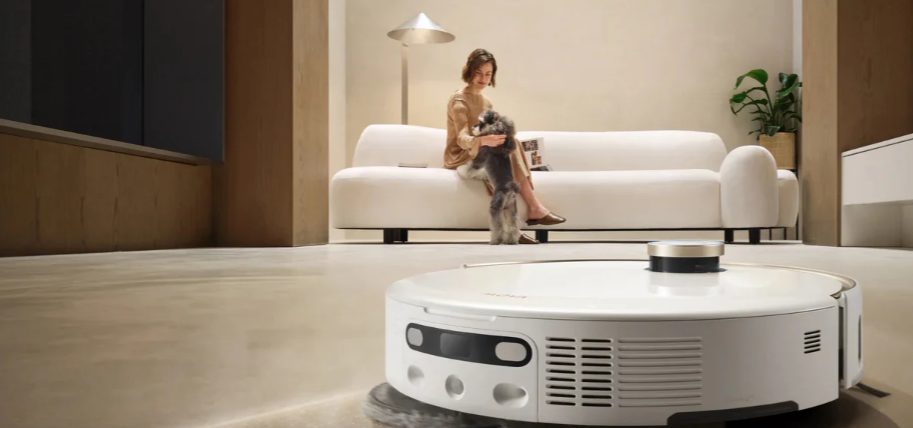
Brands such as MOVA Tech exemplify a new generation of smart home solutions that extend beyond traditional appliances, offering robotic systems designed to assist with everyday domestic tasks and enhance family well-being. As homes evolve into interconnected digital ecosystems, robots are transitioning from novelty gadgets to practical tools that improve efficiency, comfort, and quality of life. This article synthesizes industry projections and technological drivers to highlight how home robotics will influence household lifestyles in the coming decade.
2. Current Industry Overview
2.1 Market Size and Growth
The global household robots market has witnessed strong growth and is projected to expand substantially in the next decade:
- In 2025, the global household robots market was valued at approximately USD 13.9 billion.
- By 2034, it is projected to reach USD 107.15 billion, exhibiting a robust compound annual growth rate (CAGR) of ~25.47% from 2026 to 2034.
Alternative forecasts similarly underscore rapid expansion:
- A separate analysis estimates the market to grow from USD 14.7 billion in 2025 to USD 85 billion by 2035, at a CAGR of ~19.2% over 2026–2035.
These projections confirm that home robotics will evolve from niche automation solutions into mainstream household technology.
3. Drivers of Future Growth
3.1 Smart Home Adoption
The broader smart home market — which serves as a foundation for home robotics adoption — is expanding rapidly:
- The global smart home market was valued at USD 127.80 billion in 2024 and is expected to reach USD 537.27 billion by 2030, growing at a CAGR of ~27.0% from 2025 to 2030.
This data signals high demand for connected devices — including voice assistants, smart lighting, security systems, and appliances — which form the backbone of robotic integration in homes.
3.2 Technological Innovation and AI Integration
Artificial intelligence is a key enabler of next-generation robotics. Robotic systems with sophisticated sensors, machine learning, and adaptive algorithms can perform tasks that were once limited to humans, such as navigation, object recognition, and automated scheduling. Recent trends from major industry events like CES 2026 indicate the emergence of household robots capable of performing complex chores such as washing dishes and folding laundry, heralding the transition toward low-labor homes.
3.3 Demographic and Lifestyle Shifts
As households become busier and populations in many countries age, robotics present solutions for both convenience and care. Robots can assist with cleaning tasks, security monitoring, and even elderly support, addressing practical needs in modern family environments. Surveys show that over 80% of American homes already contain smart technology, with more than one in five owning robot vacuum cleaners, and 55% planning to expand their smart tech ecosystems within the next year.
4. Future Development Trends
4.1 Multifunctional and Context-Aware Household Robots
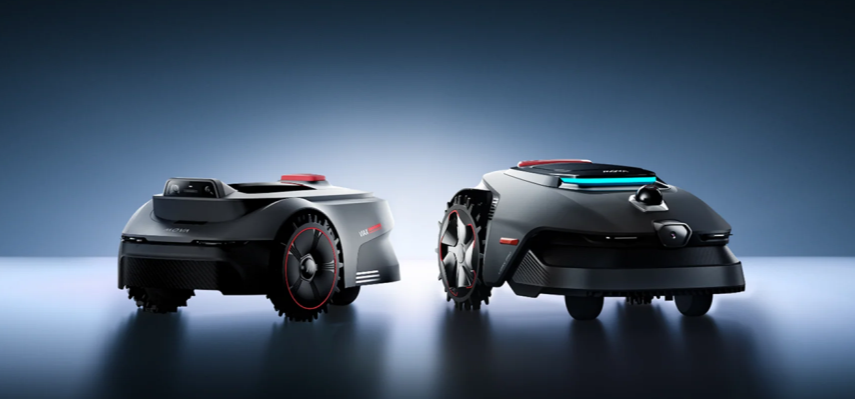
While early home robots focused on specific tasks such as vacuuming or lawn mowing, future systems will be multifunctional, combining cleaning, maintenance, and monitoring capabilities in a single platform. Robotics companies are innovating in mobility, AI-driven perception, and task planning, enabling robots to operate more autonomously in varied household environments.
4.2 Enhanced Human-Robot Interaction and Personalization
Research into human-robot interaction (HRI) underscores the importance of personalization and user-centric design. Future systems will incorporate cloud connectivity, natural language interaction, and adaptive learning to better align with individual preferences and family routines, making robotics more intuitive and integrated into daily life.
4.3 Integration with Health, Safety, and Home-Care Systems
Beyond convenience, household robots are expected to contribute to health and safety. Integrated sensors can monitor environmental conditions, detect health anomalies, and support elderly individuals or family members with limited mobility. This trend connects home robotics with the broader internet of robotic things (IoRT), where AI and IoT converge to support personalized home-care applications.
4.4 Sustainable and Energy-Efficient Robotics
As sustainability becomes a core consumer value, robot manufacturers will prioritize energy efficiency, longer battery life, and eco-friendly designs. Smart robots will coordinate with home energy management systems to optimize power usage and reduce environmental impact.
4.5 Ethical, Privacy, and Security Considerations
Privacy and data security will remain key considerations as home robots collect increasingly sensitive household data. Emerging research highlights preferences for privacy-aware designs that give users control over data collection and interaction.
5. Socio-Economic Implications
The rise of home robotics will have broader socioeconomic impacts:
- Labor Market: Automation within homes may reduce demand for certain domestic services, while creating opportunities in robot design, maintenance, and smart home ecosystems.
- Quality of Life: By freeing up time formerly spent on routine chores, families can allocate more time to leisure, caregiving, and personal pursuits.
- Access and Equity: As robotic systems become more affordable, adoption will spread from early adopters to mainstream households.
6. Conclusion
The home robotics and smart home industry is on the cusp of a major transformation. Supported by rapid market growth, widespread smart home adoption, and advances in AI and robotics, household robots are poised to become integral components of future family life. From practical task automation to personalized care and safety applications, robotics will enhance domestic environments while reshaping our interaction with technology.