





The European & U.S. Apparel Industry in 2025:

Current Landscape and 2026 Outlook
— With Insights from the Segment in Which Phase Eight Operates
Executive Summary
In 2025, the European and U.S. apparel markets are defined by moderate growth, margin pressure, and structural transformation. After the post-pandemic rebound cycle, the industry has transitioned from expansion-driven momentum to efficiency-driven competition.
Key themes shaping the market include:
- Profit optimization over top-line growth
- AI-driven operational efficiency
- Regulatory acceleration in sustainability
- Consumer segmentation and value recalibration
- Structural rebalancing of physical retail
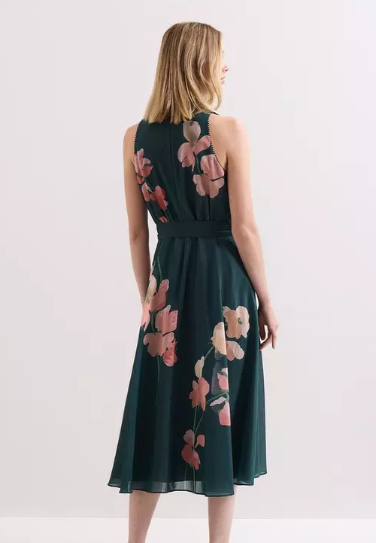
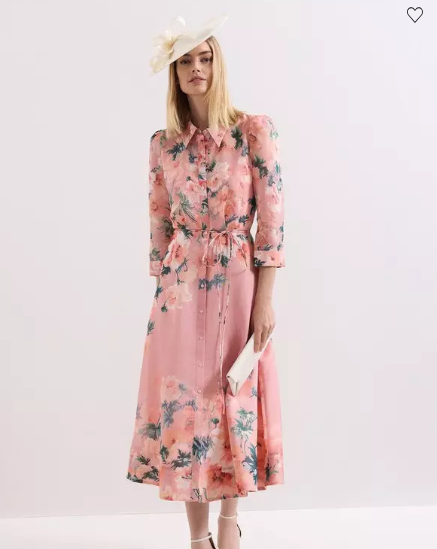
As a mid-to-premium womenswear brand focused on occasion and refined daywear, Phase Eight provides a relevant lens through which to analyze broader market dynamics.
1. Market Size and Growth Performance in 2025
The global apparel market in 2025 is estimated at $1.85–$1.95 trillion, with Europe and the U.S. accounting for approximately 52–55% of total value.
Regional Growth Rates (2025)
- United States: ~4–5% annual growth
- Europe (aggregate): ~3–4% annual growth
- UK: Slightly above EU average due to premium and occasionwear recovery
Online Penetration
- United States: ~38% of apparel sales
- United Kingdom: ~35%
- EU average: ~27%
Growth has normalized compared to double-digit post-pandemic surges. The industry is now entering a maturity phase where margin resilience and operational discipline outweigh aggressive expansion.
2. Five Defining Characteristics of the 2025 Market
2.1 Sustainability Has Become a Market Entry Requirement
In 2025:
- Over 65% of medium-to-large European brands publish ESG or sustainability reports
- More than 50% have traceable material systems in place
- Recycled or sustainable material usage averages 25–35% of collections
Regulatory pressure from the European Commission—particularly through the upcoming Digital Product Passport (DPP) framework—will require lifecycle transparency across the supply chain.
This shift significantly impacts cost structures but enhances long-term brand equity and pricing power.
2.2 The Mid-to-Premium Womenswear Segment Remains Structurally Stable
The segment in which Phase Eight competes—mid-to-premium mature womenswear—represents:
- Europe: Approximately $48–52 billion
- United States: Over $70 billion
Key characteristics of this consumer base:
- Average transaction value between $120–$250
- Higher loyalty and repeat purchase rates
- Strong demand for tailoring, fit, and occasion dressing
However, the segment faces competitive pressures from:
- Digitally native DTC brands
- Younger demographic style shifts
- Promotional intensity compressing margins
Industry-wide financial indicators (2025 averages):
- Gross margin: 55–65%
- Net margin: Declined to approximately 6–9%
2.3 E-Commerce Has Shifted to Profit Optimization
While online apparel sales continue to grow:
- U.S. e-commerce apparel growth: ~6%
- UK: ~5%
- Customer acquisition costs increased 15–22% year-over-year
This has forced brands to pivot from revenue expansion to lifetime value optimization and retention strategy.
AI adoption is accelerating:
- Approximately 35–40% of medium-to-large apparel brands use AI in:
- Demand forecasting
- Inventory allocation
- Size recommendations
- Personalized marketing
Inventory turnover improved by 8–10% compared to 2023, though still below pre-pandemic benchmarks.
2.4 Physical Retail Is Being Repositioned as an Experience Platform
Brick-and-mortar retail in 2025 is not shrinking uniformly—it is evolving.
Luxury department stores such as Selfridges have leveraged pop-up formats and capsule launches to drive traffic and brand storytelling.
In the UK:
- Click-and-collect accounts for approximately 28% of apparel transactions
- Experience-focused stores show conversion rates 18–25% higher than traditional retail formats
Retail space is shifting from inventory holding to community engagement and omnichannel integration.
2.5 Cost Pressures Continue to Reshape Profit Structures
The parent company of Phase Eight, TFG London, alongside brands such as Hobbs, reflects broader sector pressures.
Industry-wide cost increases in 2025:
- Raw materials: +6–9%
- UK labor costs: +7%
- Logistics: Approximately 12% above pre-pandemic levels
Despite stable revenues, operating profitability remains compressed, reinforcing the need for structural efficiency.
3. 2026 Industry Outlook: Five Structural Shifts
3.1 Margin Recovery Becomes Strategic Priority
Forecasted growth in 2026:
- United States: 4–5%
- Europe: 3–4%
However, the primary focus will shift to:
- SKU rationalization
- Higher-margin product concentration
- Occasionwear and event-driven dressing
Formalwear and event categories are expected to outperform casual segments in premium womenswear.
3.2 AI Integration Becomes Industry Standard
By 2026:
- Over 50% of medium-to-large brands are projected to adopt AI-driven demand forecasting
- Forecasting error margins may decline to within ±10%
AI will extend deeper into:
- Fabric procurement planning
- Automated replenishment systems
- Dynamic pricing algorithms
Industry inventory ratios could decline by an additional 5–8%.
https://www.linkhaitao.com/index.php?mod=lhdeal&track=cd9aOnVWkOu0akUWCBak_bdwWwWpzbone7kaK_b31MBXtXy0OaxAg_bpNiljgl6GtIS7n7oIpxzUopn_bfQ_c&new=https%3A%2F%2Fwww.phase-eight.com%2F
3.3 Circular Economy Becomes Commercially Scalable
The U.S. and European resale apparel market reached approximately $210 billion in 2025, with expected growth of 12–15% in 2026.
Brands are expected to introduce:
- Certified resale platforms
- Repair and refurbishment services
- Loyalty-linked recycling programs
Circular models are transitioning from branding exercises to revenue streams.
3.4 Consumer Segmentation Intensifies
The 2026 market will increasingly divide into:
- High-net-worth consumers prioritizing craftsmanship
- Value-conscious middle-income buyers
- Highly price-sensitive discount seekers
Brands positioned in the middle without differentiation face the highest compression risk.
3.5 Regulatory and Compliance Costs Increase
Environmental disclosure requirements are tightening across the EU.
Expected impact:
- 3–6% incremental compliance-related cost burden
- Mandatory lifecycle tracking implementation
While costly, compliance may ultimately strengthen competitive barriers.
4. Strategic Implications for Phase Eight–Type Brands
For mid-to-premium mature womenswear brands:
1. Strengthen Occasion and High-Margin Categories
Event dressing and formalwear remain resilient revenue drivers.
2. Elevate AI from Optional to Foundational
Inventory intelligence and personalization must be embedded.
3. Reinforce Brand Narrative and Craft Positioning
In a transparent pricing era, storytelling underpins margin resilience.
4. Optimize Physical Footprint
Stores must function as brand theaters, not stock warehouses.
Conclusion: The Defining Question of 2026
The apparel industry is shifting from a scale-growth model to an efficiency-growth model.
2025 confirms the transition.
2026 will accelerate competitive differentiation.
Winning brands will demonstrate:
- Data-driven operational intelligence
- Regulatory adaptability
- Clear consumer positioning
- Margin-focused product architecture