



Reimagining American Furniture: Customization, Trends, and Market Growth

Introduction
The American home furniture industry is undergoing a transformation. As lifestyles evolve and consumers increasingly seek personalized, high-quality design, the sector is shifting away from one-size-fits-all product lines toward customizable, design-forward offerings that blend form, function, and personal expression. This evolution reflects wider trends in lifestyle, technology, and consumption — all of which are reshaping how Americans think about their living spaces.
Current Market Landscape in the United States
The U.S. home furniture market remains robust, with significant expansion expected over the coming decade. In 2025, the market size was valued at approximately USD 195.7 billion, and it is projected to grow to about USD 256.9 billion by 2034, with a compound annual growth rate (CAGR) of 3.07% from 2026 to 2034.
This growth is driven by several structural forces, including:
- Rising residential construction and renovation activity
- Increasing consumer spending on comfortable and stylish homes
- Growth of e-commerce and hybrid retail models
- Rising demand for sustainable and multifunctional furniture solutions
Online stores already account for a large share of furniture sales, enabling customers to explore extensive selections, compare options, and access customization tools more easily than ever before.
Customization: A Defining Trend in Furniture Consumption
Increasingly, American consumers are rejecting mass-produced uniformity in favor of personalized design choices. Custom furniture — where buyers choose size, fabric, finish, and configuration to suit specific tastes and spaces — is now an important market segment within the broader home furnishings industry.
This trend reflects a deeper shift in consumer priorities:
- Individual expression: Customers want pieces that reflect their personalities and lifestyles rather than generic options.
- Functional adaptability: Urban living spaces often require furniture that adapts to unique layouts and usage scenarios.
- Long-term value: Custom pieces are seen as investments, often outlasting cheaper mass-produced alternatives.
The global custom furniture market, for example, was valued at around USD 11.28 billion in 2025 and is forecast to grow to approximately USD 25.47 billion by 2034, with an annual growth rate approaching 9.5% — far surpassing general furniture growth rates thanks to rising customization demand.
Consumer Preferences and Design Trends
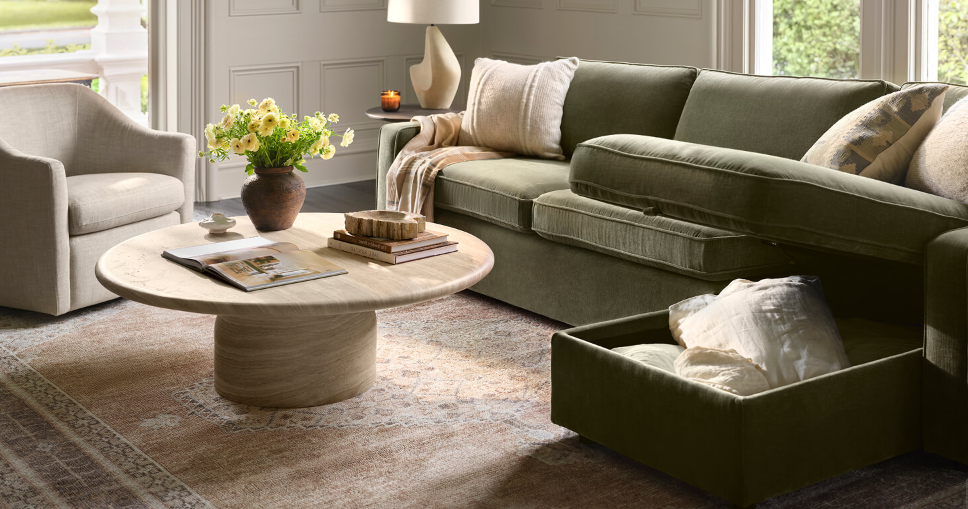
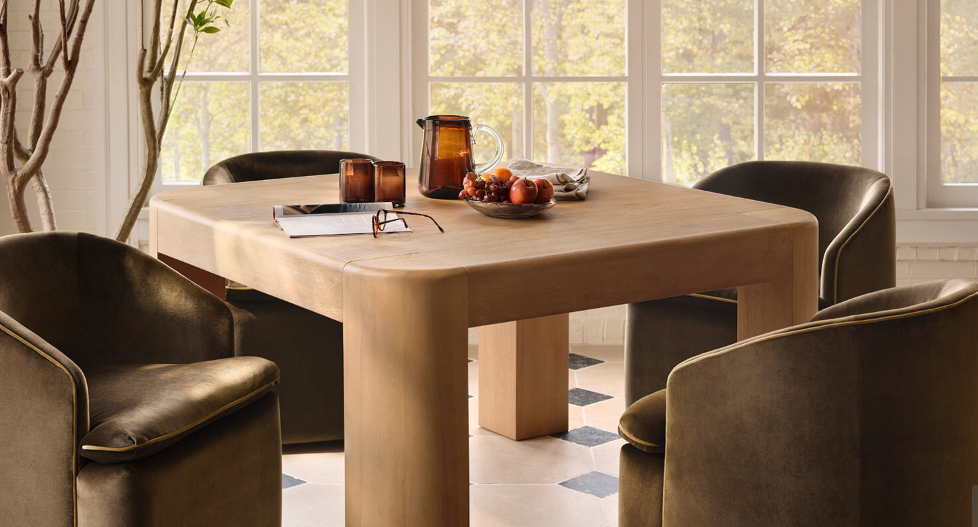
Interior design experts anticipate that furniture styles in 2026 will emphasize comfort, individuality, and craftsmanship. For example, softer sculptural shapes — including curved sofas and rounded chairs — are trending as consumers seek visually engaging and cozy living environments.
Other macro trends influencing home furniture preferences include:
- Vintage and artisanal influences: A resurgence in handcrafted and character-driven pieces gives homes personality beyond mass-market design.
- Sustainability and material richness: Earth tones, dark wood finishes, and eco-friendly materials reflect a growing desire for natural beauty and responsible production.
- Customization and personalization: Increased demand for custom upholstery, pattern options, and bespoke details mirrors wider trends across fashion and interior design.
These trends demonstrate a shift away from purely functional furniture toward pieces that carry emotional resonance and aesthetic richness.
E-Commerce and Omnichannel Experiences
One of the most profound changes in the furniture industry has been the rise of digital retail. Online sales channels accounted for a substantial share of U.S. furniture purchases in 2025, driven by convenience, comprehensive product information, and advanced visualization tools that allow customers to preview furniture in their own spaces.
This digital shift has several implications:
- Greater product accessibility: Consumers can access a wider range of styles and customizable options without geographic limitations.
- Blended shopping experiences: Many buyers research online before visiting showrooms, reflecting a hybrid retail model that bridges physical and digital engagement.
- Improved personalization tools: Digital platforms increasingly offer design-assistance features, such as virtual room planners and customizable previews, helping consumers make informed choices.
Sustainability and Consumer Values
Sustainability is no longer optional in American furniture preferences. Many customers now weigh environmental performance — such as materials sourcing, lifetime durability, and eco-friendly manufacturing — equally with design. Sustainable furniture and transparent production practices resonate strongly with younger, values-driven consumers and contribute to longer product life cycles and reduced waste.
Looking Ahead: The Future of the U.S. Furniture Industry
Several key trends will continue shaping the U.S. home furniture landscape:
- Integration of smart home and multifunctional design: As living spaces evolve, so too does the demand for furniture that combines aesthetics with technological and space-saving functionality.
- Further growth in customization: Personalized furniture solutions responding to unique tastes, body dimensions, and interior layouts will gain market share.
- Expansion of eco-centric and artisanal design segments: Pieces that emphasize sustainable materials and craftsmanship will attract more consumers seeking both beauty and ethical production.
The industry’s future lies in blending personalization with innovation — offering high-quality, design-driven pieces that reflect evolving lifestyles and consumer values.
Conclusion
The U.S. home furniture market stands at an inflection point, shaped by shifting consumer expectations and a greater emphasis on customization, comfort, and sustainable living. As online and physical retail continue to converge and design trends evolve, American households are becoming more discerning and expressive in their furniture choices.
From bespoke sofas and tailored upholstery to digitally enhanced shopping journeys, the 2026 furniture landscape promises both creativity and market growth — guided by consumer desires that demand beauty, comfort, and personal meaning in every piece.