





Belgium as One of Europe’s Best Travel and Holiday Destinations: Current Status and Future Prospects


Abstract
Belgium has emerged as a premier travel destination in Europe, blending rich cultural heritage, diverse landscapes, world-renowned gastronomy, and robust tourism growth. This article analyzes Belgium’s current tourism performance, explores the drivers of its rising appeal, and discusses future developmental prospects rooted in data and trend projections.
1. Introduction
Situated in Western Europe and bordered by France, the Netherlands, Germany, and Luxembourg, Belgium may be modest in size but expansive in cultural and touristic offerings. Its accessibility, historical cities, varied landscapes, cuisine, and cosmopolitan capital Brussels make it an increasingly favored destination for both international and domestic tourists.
2. Current Tourism Performance
2.1 Visitor Numbers and Growth Trends

Belgium’s tourism industry has made a significant recovery and expansion in recent years:
- In 2024, Belgium welcomed a record high of 18.92 million tourists, up 5% compared to the pre-pandemic level of 2019. This included 9.64 million international visitors and 9.28 million domestic travellers, showing balanced attraction for both foreign and local tourists.
- The total number of international overnight visitors in 2024 reached 9.64 million, marking the highest inbound tourist figure recorded in Belgian history and indicating sustained global appeal.
- Tourism expenditure in Belgium in 2024 reached USD 26.40 billion, a nearly 30% increase over pre-pandemic levels, underscoring the sector’s economic impact and the value travelers place on Belgian experiences.
These figures reflect strong recovery from global travel disruptions and signal rising demand for Belgium as a travel destination.
3. Key Reasons Belgium Stands Out as a Top European Destination
3.1 Central Location and Accessibility
Belgium’s prime location in the heart of Europe makes it ideal for travelers exploring multiple countries in one itinerary. It is easily accessible via international flights, high-speed rail (including Eurostar connections), and a dense road network linking it to neighboring capitals.
3.2 Rich Cultural Heritage and Historical Cities
Belgium’s history is deeply woven into its urban landscape:
- Brussels — the capital blends historic charm with modern European governance, and recorded 9.4 million overnight stays in 2023, almost returning to its pre-pandemic level despite economic headwinds.
- Antwerp, Bruges, and Ghent — these art cities are celebrated for medieval architecture, vibrant arts scenes, and UNESCO-listed heritage sites.
- Belgium has a wealth of historic castles, cathedrals, and museums that enrich travel experiences with centuries of European history.
These cities provide diverse experiences — from grand squares and Gothic cathedrals to modern cultural venues — appealing to both short-break tourists and cultural travellers.
3.3 Natural Landscapes and Outdoor Experiences
Belgium’s geographic diversity enhances its tourism appeal:
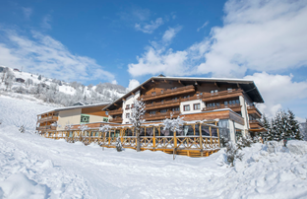
- The Ardennes region offers vast forests, rolling hills, and outdoor activities such as hiking, cycling, and winter sports.
- The Belgian coast has 67 km of sandy beaches and more than a dozen seaside resorts, ideal for family vacations and seaside relaxation.
This combination of urban culture and rural escape caters to a wide range of traveller interests.
3.4 Culinary and Lifestyle Attractions
Belgian gastronomy is globally renowned, especially for its chocolate, waffles, and beer culture, which draw food lovers worldwide. Additionally, Belgium is home to incredibly diverse beer styles and brewing traditions, often featured in local tours and gastronomy-centric travel packages.
4. Tourism’s Economic and Social Impact
The tourism industry contributes significantly to Belgium’s economy:
- Pre-pandemic data shows that tourism accounted for about 2.8% of Belgium’s GDP and 3.3% of employment.
- The rapid rebound in visitor expenditure and numbers highlights tourism’s resilience and its importance as a driver of job creation and local business revenue.
Belgium’s strategic investments in cultural sites, transport infrastructure, and hospitality services continue to solidify its tourism industry as a cornerstone of economic growth.
5. Future Development Trends and Prospects
5.1 Sustained Tourist Growth
With continued expansion in international arrivals and local travel, Belgium looks poised for long-term tourism growth. The country’s ongoing appeal — bolstered by its cultural standing, accessibility, and diversity of offerings — positions it strongly within Europe’s competitive travel landscape.
5.2 Diversification of Tourism Offerings
Belgium is expanding its tourism appeal beyond traditional attractions:
- Promotion of off-season travel to natural regions like the Ardennes
- Culinary tourism experiences, including brewery tours and artisan food trails
- Festivals and events that draw international crowds throughout the year
5.3 Sustainable and Experiential Travel
As modern travelers increasingly seek authentic and sustainable experiences, Belgium’s mix of urban culture and countryside destinations enables tourism stakeholders to develop eco-friendly and immersive itineraries.
6. Conclusion
Belgium has demonstrated remarkable resilience and attraction as a European travel destination. Its record tourism growth, economic impact, diverse cultural and natural offerings, and central continental location substantiate its status as one of Europe’s top holiday destinations.
With strong future prospects rooted in ongoing investment and trend adaptation, Belgium is not only a gateway to Europe but a must-visit destination in its own right — blending history, culture, gastronomy, and natural beauty in a uniquely Belgian way.