



Skating’s Future in 2026 and Beyond: Health, Growth, and Children’s Well-Being


Introduction
Skating — whether on roller skates, inline skates, or ice blades — is enjoying a resurgence as both a sport and a recreational activity. Beyond its cultural appeal, skating plays an increasingly important role in childhood physical development and lifestyle fitness. As 2026 unfolds, the industry continues to innovate and expand, supported by rising participation, evolving safety technology, and a growing awareness among parents of skating’s health benefits for children.
Industry Growth and Market Outlook
The global skating market — including roller and ice skating segments — is projected to grow steadily in the coming decade.
Industry forecasts show that the roller skating market alone could expand from around USD 5.41 billion in 2026 to approximately USD 9.31 billion by 2035, a compound annual growth rate (CAGR) of about 6.2%.
Within this broader sector, kid-oriented skating products — including youth roller skates and protective gear — are gaining particular traction as parents seek activities that combine fun, fitness, and developmental benefits. Market reports suggest the kids roller skates segment is set for sustained growth, underpinned by rising health consciousness among families.
These projections are amplified by broader trends favoring active outdoor recreation and community sports participation after years of pandemic disruption.
Health Benefits for Children
Skating offers children a unique blend of physical, cognitive, and social benefits that distinguish it from many traditional sports.
Physical Health
Research demonstrates that skating significantly improves key physical health markers in children and adolescents. For example, controlled studies show that regular skating:
- Enhances balance ability, which is foundational for athletic skill development.
- Improves lower limb strength and endurance quality.
- Boosts cardiopulmonary (heart and lung) function, cumulative indicators of cardiovascular fitness.
- Increases speed quality and overall movement coordination.
Skating is also comparable to cardiovascular activities such as jogging in terms of calorie expenditure and leg muscle engagement, yet it tends to impose less impact stress on the joints than running.
Motor Skills and Coordination
Skating challenges children to maintain dynamic balance and coordinate complex movements. These skills transfer beyond the rink or pavement and can enhance performance in other sports, dance, and daily activities.
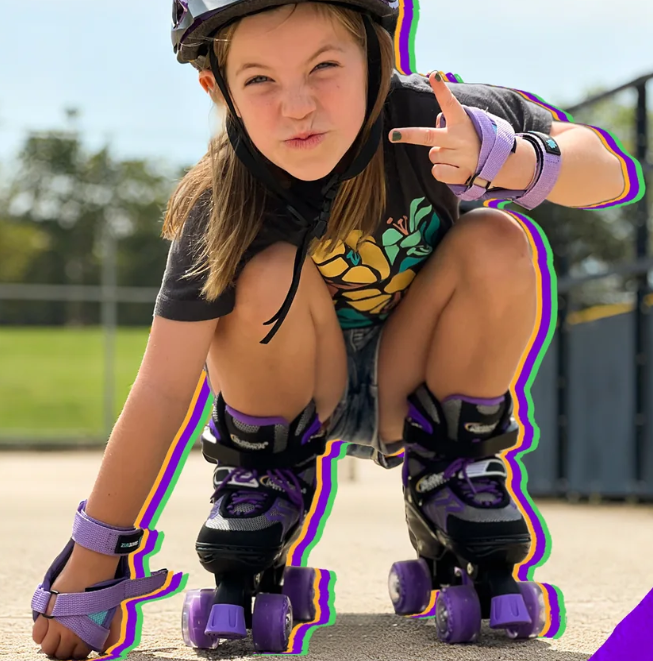
Mental and Social Development
Children engaged in skating often demonstrate:
- Improved focus and concentration, since even basic skating requires attention to movement and environment.
- Confidence and emotional resilience — mastering skating skills involves setting goals and overcoming setbacks.
- Social adaptability and interaction, as skating frequently occurs in group settings where kids develop teamwork, communication, and cooperation skills.
These elements are essential not just to physical growth, but to overall childhood development.
Safety and Parental Trends
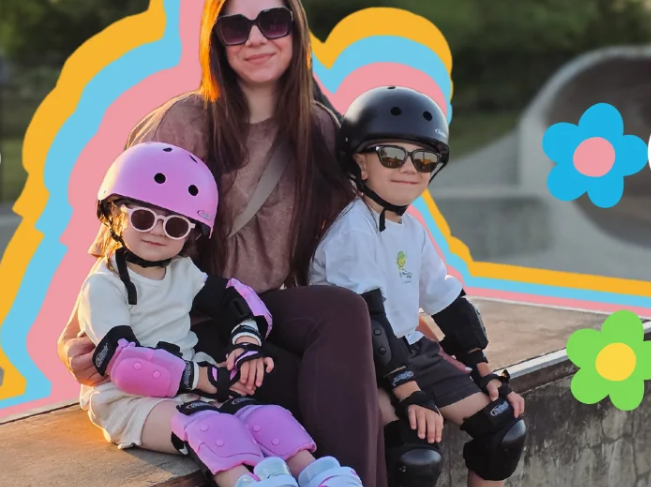
As children become more involved in skating, safety and equipment innovation are gaining prominence. Manufacturers are introducing adjustable sizing, reinforced boots, advanced braking systems, and lightweight protective gear that reduce injury risk and enhance confidence among parents and young skaters alike.
Parental health consciousness is a strong driver: many parents now select skating over sedentary screen time, valuing the sport’s mix of aerobic activity, strength building, and enjoyment.
The Broader Cultural and Community Impact
Skating is also part of a wider movement toward youth sports equity — the idea that all children should have access to play, movement, and athletic development opportunities regardless of socioeconomic background. Play equity promotes inclusive access to equipment, safe spaces, and programs that enable kids to benefit from physical activity.
In addition, skating communities, both online and in local clubs, have created vibrant subcultures that combine fitness with social engagement. This social ecosystem further enhances appeal and long-term participation.
Looking Ahead: 2026 and Beyond
As we look toward 2026, several trends are shaping the future of skating:
1. Continued Market Expansion
With market growth projected through the next decade and rising participation rates, skating will continue to assert itself as a mainstream fitness and lifestyle activity.
2. Integration with Fitness and Technology
Emerging technologies — from performance-tracking apps to smart protective gear — will make skating more accessible, safer, and more satisfying for families.
3. Emphasis on Youth Development
Skating programs integrated into schools, community centers, and youth sports initiatives will contribute to broader health and development goals, supporting lifelong engagement in physical activity.
Conclusion
Skating is poised to grow as both a recreational activity and a developmental sport, particularly for children. Its unique combination of physical, cognitive, and social benefits makes it especially valuable in a world where childhood inactivity is a growing concern.
With robust market growth, ongoing innovations in safety and accessibility, and expanding cultural influence, the skating industry is well positioned to play a prominent role in shaping healthier, more active childhood experiences in 2026 and beyond.