



Portable Power Systems in Everyday Life: Current Impact and Future Development

Introduction
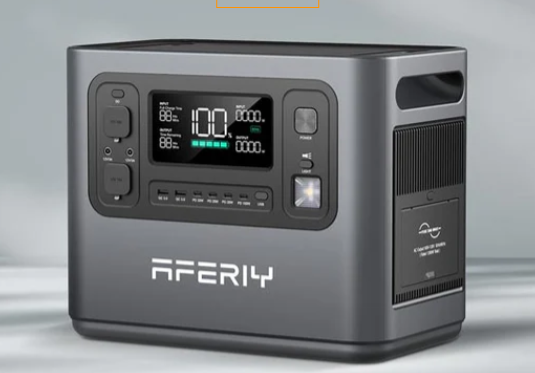
As society becomes increasingly mobile, connected, and environmentally aware, portable power systems have emerged as a vital segment of the energy solutions ecosystem. Portable power stations — devices capable of storing and delivering electric energy without constant grid connection — are transforming how people power their homes, outdoor activities, emergencies, and work routines. This article explores how portable power systems are currently applied in daily life and examines future trends shaping the industry’s growth.
1. Everyday Applications of Portable Power
1.1 Home Backup and Emergency Preparedness
Power outages caused by weather events, grid instability, or infrastructure maintenance frequently disrupt daily life. Portable power systems offer households a reliable and clean backup solution.
- Essential device continuity: Laptops, phones, lights, medical devices, and communication systems remain operational during outages.
- Quiet, emission-free operation: In comparison to traditional gas generators, portable power stations operate silently and without harmful emissions, making them suitable for indoor or residential settings.
These features have made portable energy storage an increasingly common component of home emergency kits.
1.2 Outdoor and Recreational Use
Outdoor enthusiasts — campers, hikers, festival attendees, and van-lifers — increasingly depend on portable power for greater comfort and safety.
- Powering LED lights, portable refrigerators, and cooking accessories.
- Charging communication devices and GPS units.
- Supporting work-on-the-go equipment for remote work or photography.
This expansion reflects a broader cultural trend toward experiential and nature-based lifestyles, where reliable off-grid energy enhances independence without compromising convenience.
1.3 Travel and Mobility
In a globalized, mobile world, reliable power is essential not only at home but on the move.
Portable power units support:
- Road trips and RV travel: Running small appliances and accessories without shore power.
- Boating and coastal activities: Maintaining communication and lighting systems.
- Remote accommodation comfort: Providing supplemental power in cabins, lodges, and off-grid retreats.
The ability to bring dependable energy to virtually any environment is reshaping how people think about travel efficiency and convenience.
2. Market Growth and Technological Trends
2.1 Industry Expansion
The portable power system market has shown consistent growth in recent years. In Europe alone, the portable power station market was valued at approximately USD 183 million in 2024, with projections estimating growth to USD 342 million by 2033.
This growth reflects rising consumer interest in home resilience, outdoor recreation, and mobile work solutions.
Beyond Europe, the global portable power market is expected to expand rapidly, driven by increased adoption for residential, commercial, and recreational applications.
2.2 Synergy with Renewable Energy
Portable power stations are increasingly used in combination with renewable generation:
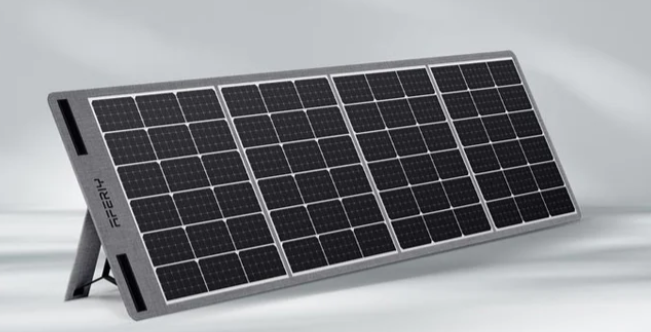
- Solar integration: Solar panels connected to portable storage allow consumers to harvest clean energy and use it later.
- Hybrid systems: Combining grid power, solar generation, and portable storage creates more resilient, efficient household energy management.
Europe’s renewable share in electricity consumption reached nearly 47.5% in 2024, highlighting an energy landscape where portable storage aligns with broader clean energy objectives.
2.3 Smart Features and User Experience
Recent technological innovations are enhancing usability:
- Mobile app integration: Users can monitor power levels, manage usage, and control systems remotely.
- Expandable capacity modules: Scalable designs allow users to increase storage as needed.
- Improved battery performance: Advances in lithium-ion and other battery chemistries increase energy density and lifespan while reducing weight.
These developments make portable power systems increasingly appealing beyond niche markets.
3. Changing Consumer Habits and Daily Energy Behavior
3.1 Embracing Grid Independence
Portable power is reshaping energy expectations. Rather than seeing electricity as solely grid-delivered, consumers are embracing hybrid energy independence. Households increasingly consider energy storage as part of their long-term planning.
This shift is reflected in consumer purchase behavior, where portable power systems are classified as essential home preparedness products rather than luxury gadgets.
3.2 Supporting Remote and Hybrid Work
The rise of remote and hybrid work has increased demand for reliable power in non-traditional work environments:
- Urban apartment settings where outages disrupt productivity.
- Outdoor offices and pop-up workspaces where conventional power isn’t always available.
Portable power solutions help maintain consistent workflow and connectivity in diverse contexts.
3.3 Sustainability and Environmental Awareness
Consumers are becoming more conscious of sustainability in purchasing decisions. Portable power stations contribute to reduced fossil fuel dependency, especially when paired with solar energy generation. As environmental values influence spending priorities, clean and flexible power solutions gain preference among eco-minded households.
4. Future Prospects and Trends
4.1 Integration with Smart Homes and IoT
The future of portable power systems lies in deep integration with smart home environments and the Internet of Things:
- Automated energy management systems.
- Demand response and peak shaving solutions.
- Integration with smart thermostats, sensors, and appliances.
This level of connectivity will make energy usage more efficient and adaptive to lifestyle patterns.
4.2 Enhanced Energy Security and Climate Preparedness
As climate change increases the frequency of extreme weather events, households will place a higher priority on energy resilience. Portable power systems will become central to climate adaptation strategies, offering reliable support where grid infrastructure is vulnerable.
4.3 Expansion into Emerging Markets and New Use Cases
Emerging applications may include:
- Public safety and disaster relief operations
- Temporary power at construction sites and outdoor events
- Electric mobility support (e.g., charging e-bikes, scooters)
The scope of portable power is expanding beyond household use into broader commercial and community domains.
Conclusion
Portable power systems are no longer niche products reserved for outdoor enthusiasts. They have become versatile tools that enhance daily life, support emergency readiness, and align with sustainable energy goals. From facilitating hybrid work to enabling deeper engagement with outdoor activities, these systems are reshaping how people interact with energy on a daily basis.
As technology advances and markets continue to grow, portable power will play an increasingly influential role in household energy behavior, driving new expectations for energy independence, resilience, and lifestyle flexibility.