




Future Trends in the Shapewear and Hosiery Industry


Abstract
The shapewear and hosiery industry is undergoing significant transformation driven by changing consumer expectations, technological advancements, and sustainability demands. Once centered primarily on body shaping and compression, the sector now emphasizes comfort, inclusivity, digital integration, and environmental responsibility. This article analyzes the key structural shifts influencing the industry and outlines its future development trajectory, supported by market data and consumer insights.
1. Industry Overview
The global shapewear market has demonstrated stable growth over the past decade. Industry estimates suggest that the market will reach approximately USD 2.5–3.0 billion by 2025, with a projected compound annual growth rate (CAGR) of 6–9% through 2030. Growth is strongest in North America and Europe, where demand is fueled by lifestyle changes, social media influence, and increasing emphasis on body confidence.
Hosiery, traditionally a mature segment, is also experiencing revitalization through innovation in fabric technology and positioning as everyday comfort wear rather than purely formal attire.
2. Key Drivers of Future Development
2.1 Inclusivity and Body Positivity
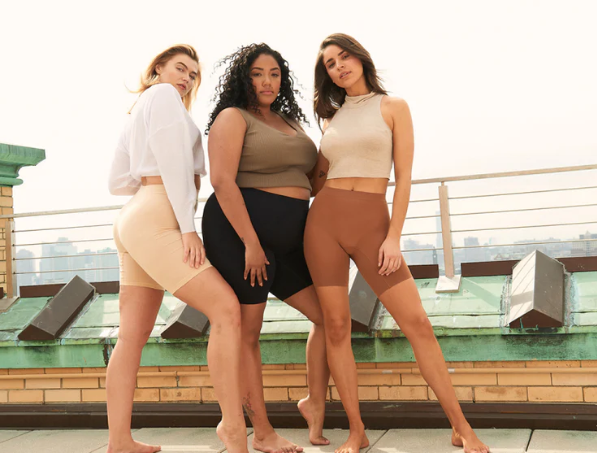
Consumer values are shifting toward inclusivity and authentic representation. Surveys indicate that over 60% of apparel consumers prefer brands that offer extended sizing and diverse marketing representation. Future growth will depend on:
- Expanded size ranges
- Adaptive fits for varied body types
- Comfort-focused rather than restrictive designs
The emphasis is moving from “reshaping” the body to enhancing comfort and confidence.
2.2 Technological Innovation in Textiles
Advanced fabric engineering is redefining product performance. Future development will include:
- Seamless 3D knitting technologies
- Moisture-wicking and temperature-regulating fabrics
- Lightweight compression materials that allow flexibility
Smart textile innovation is expected to drive premium market growth, particularly in active-lifestyle shapewear.
2.3 Digitalization and Personalization
Digital transformation will significantly shape the industry’s future:
- AI-driven size recommendation systems
- Virtual try-on technologies
- Data-driven product customization
By 2028, it is estimated that over 40% of online apparel purchases may incorporate digital fit-assistance tools, reducing return rates and improving consumer satisfaction.
2.4 Sustainability and Circular Practices
Environmental responsibility is becoming a competitive requirement rather than a marketing advantage. Research indicates that approximately 58% of global consumers are willing to pay more for sustainable apparel.
Future development directions include:
- Recycled and biodegradable fibers
- Durable, long-lifecycle product design
- Take-back and recycling programs
- Transparent supply chains
Brands that integrate sustainability into product development and sourcing strategies will gain long-term trust and loyalty.
2.5 Lifestyle Integration
Shapewear is increasingly positioned as multifunctional apparel rather than hidden undergarments. Future products are expected to:
- Function as both shapewear and loungewear
- Support posture and comfort for remote work environments
- Blend seamlessly with athleisure trends
This integration expands the category beyond occasion-based purchases to daily essentials.
3. Challenges Ahead
Despite strong growth potential, the industry faces challenges:
- High return rates due to fit issues (often exceeding 25–30% in direct-to-consumer channels)
- Increasing competition from fast fashion and digitally native brands
- Rising raw material and logistics costs
Addressing these challenges will require investment in technology, supply chain resilience, and customer experience optimization.
4. Conclusion
The future of the shapewear and hosiery industry will be defined by five primary directions:
- Inclusive and confidence-centered design
- Advanced textile engineering
- Digital personalization and AI integration
- Sustainability and circular production models
- Lifestyle-oriented multifunctional products
As consumer expectations continue to evolve, brands that successfully integrate innovation, comfort, and ethical responsibility will shape the next phase of industry growth. The sector’s transformation reflects broader changes within global apparel markets, where functionality, identity, and sustainability converge.