


UK Bathroom Trends and the Rise of Tap Warehouse

Introduction
In recent years, the UK bathroom and kitchen fixtures industry has undergone significant transformation. What was once a largely showroom-driven market has rapidly evolved into a dynamic sector shaped by digital commerce, design-focused consumers, and sustainability awareness. As homeowners increasingly prioritise comfort, aesthetics, and efficiency, bathroom spaces have become central to modern home design rather than merely functional areas.
Within this evolving landscape, online retailers are playing an increasingly influential role. Platforms that combine wide product selections, competitive pricing, and professional guidance are gaining traction among British consumers. Among these emerging leaders, Tap Warehouse has established itself as a notable digital retailer, reflecting the broader transformation occurring within the industry.
This article examines the current state of the UK bathroom fixtures market, key industry trends, and the growing influence of digital-first retailers such as Tap Warehouse.
The Current State of the UK Bathroom Fixtures Market
The UK bathroom fixtures market remains closely linked to the country’s housing sector and renovation culture. Home improvements continue to represent a major consumer investment, particularly in kitchens and bathrooms where upgrades can significantly increase property value.
Over the past decade, British homeowners have become more design-conscious. Influenced by interior design media, social platforms, and lifestyle publications, consumers now seek bathrooms that combine practicality with visual appeal.
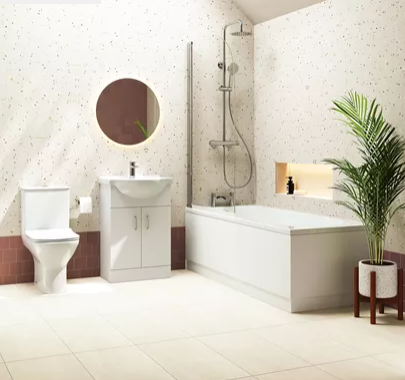
As a result, the market has expanded beyond traditional plumbing products to include integrated design solutions such as:
- modern taps and mixers
- contemporary basins and sinks
- designer shower systems
- coordinated bathroom furniture
- decorative accessories and lighting
This shift reflects a broader lifestyle trend in which bathrooms are increasingly viewed as spaces for relaxation and personal wellbeing.

The Rise of Online Bathroom Retail
One of the most important developments in the industry has been the rapid growth of online retail channels.
Historically, consumers relied heavily on local bathroom showrooms and trade suppliers to purchase fixtures. While physical stores remain relevant, digital platforms now allow consumers to explore thousands of products, compare prices, and access detailed specifications without leaving their homes.
Online retailers provide several advantages:
- broader product ranges
- competitive pricing structures
- faster nationwide delivery
- access to reviews and installation guides
This digital model has significantly improved transparency within the market, empowering consumers to make more informed purchasing decisions.
Retailers such as Tap Warehouse exemplify this shift by offering a comprehensive online catalogue that includes taps, sinks, showers, and bathroom furniture, alongside detailed buying guides and product advice.
Design Trends Influencing the UK Market
Design preferences play a major role in shaping product demand across the UK bathroom industry.
Minimalist Aesthetics
Minimalist design remains highly popular among British homeowners. Clean lines, subtle finishes, and uncluttered layouts continue to dominate modern bathroom spaces.
Products featuring brushed metal finishes, matte black fixtures, and soft neutral colour palettes are particularly sought after.
Spa-Inspired Bathrooms
Another growing trend is the creation of spa-like environments at home. Consumers increasingly want bathrooms that promote relaxation and comfort.
Features associated with this trend include:
- rainfall shower systems
- freestanding baths
- ambient lighting
- high-quality fixtures with refined finishes
Retailers that provide inspiration alongside product offerings are well positioned to capture this design-focused demand.
Sustainability and Water Efficiency
Environmental awareness is increasingly shaping consumer choices across the UK home improvement sector.
Water conservation technologies are becoming standard expectations rather than niche features. Products designed to reduce water consumption while maintaining strong performance are particularly attractive to environmentally conscious consumers.
Key innovations include:
- aerated taps
- low-flow mixers
- thermostatic shower controls
- durable materials with long life cycles
Sustainability is expected to remain a central driver of product development across the industry.
The Role of Tap Warehouse in the Digital Market
https://www.linkhaitao.com/index.php?mod=lhdeal&track=1d87YjHAQxwSmPTbN2xJgGo_ayKa1lUoBk_aw_aHDtM_aEJgwvY8Hix8pX_abw5_aKSyKcbFFq2Jds_abopBE8_c&new=https%3A%2F%2Fwww.tapwarehouse.com%2F
Within this rapidly evolving sector, Tap Warehouse has established itself as a significant online retailer specialising in bathroom and kitchen fixtures.
Operating from the UK, the company offers an extensive range of products designed to meet both functional and aesthetic requirements. Its online platform provides customers with access to thousands of items, allowing homeowners, designers, and contractors to source multiple components for renovation projects in one place.
Several factors have contributed to the brand’s growing presence in the UK market.
Extensive Product Range
Tap Warehouse offers a wide selection of taps, sinks, showers, mirrors, and accessories, enabling consumers to create cohesive bathroom designs.
Customer-Focused Online Experience
The platform combines product catalogues with buying guides and inspiration content, helping consumers navigate complex renovation decisions.
Efficient Distribution
Reliable delivery and streamlined logistics have become key differentiators in the online home-improvement sector. Tap Warehouse’s operational model supports fast order processing and nationwide shipping, helping meet the expectations of modern consumers.
Challenges Facing the Industry
Despite positive long-term prospects, the UK bathroom fixtures market also faces several challenges.
Supply Chain Pressures
Global manufacturing and logistics disruptions have affected product availability and material costs across the industry.
Retailers must maintain strong supplier networks and efficient inventory management systems to ensure stable product availability.
Increasing Competition
The sector has become increasingly competitive as both traditional retailers and online platforms expand their offerings.
Companies must differentiate themselves through:
- product quality
- customer service
- design innovation
- digital user experience
Retailers that successfully combine these elements will be best positioned for long-term growth.
The Future of the UK Bathroom Fixtures Industry
Looking ahead, the UK bathroom market is expected to continue evolving as technology, sustainability, and digital commerce reshape consumer behaviour.
Several developments are likely to define the next phase of industry growth.
Continued Expansion of E-commerce
Online purchasing will play an increasingly dominant role in the home improvement sector. Consumers value convenience, price transparency, and product comparison capabilities offered by digital platforms.
Integration with Smart Home Technology
Smart home innovation will gradually extend into bathroom spaces. Digital temperature control systems, touchless fixtures, and water usage monitoring may become more widely adopted.
Greater Emphasis on Design and Lifestyle
Bathrooms will continue to be seen as lifestyle spaces rather than purely functional rooms. Consumers will prioritise design consistency, comfort, and personal wellbeing when selecting fixtures.
Retailers capable of combining product expertise with design inspiration will thrive in this evolving market.
Conclusion
The UK bathroom fixtures industry is entering a new era characterised by digital innovation, evolving consumer expectations, and design-led purchasing behaviour.
As the market continues to shift toward online platforms, retailers that combine extensive product ranges with expert guidance are gaining increasing relevance. Within this context, companies such as Tap Warehouse illustrate how digital-first retail models can successfully meet the demands of modern homeowners.