



Future Development of the High-End Audio Industry in EuropeAbstract

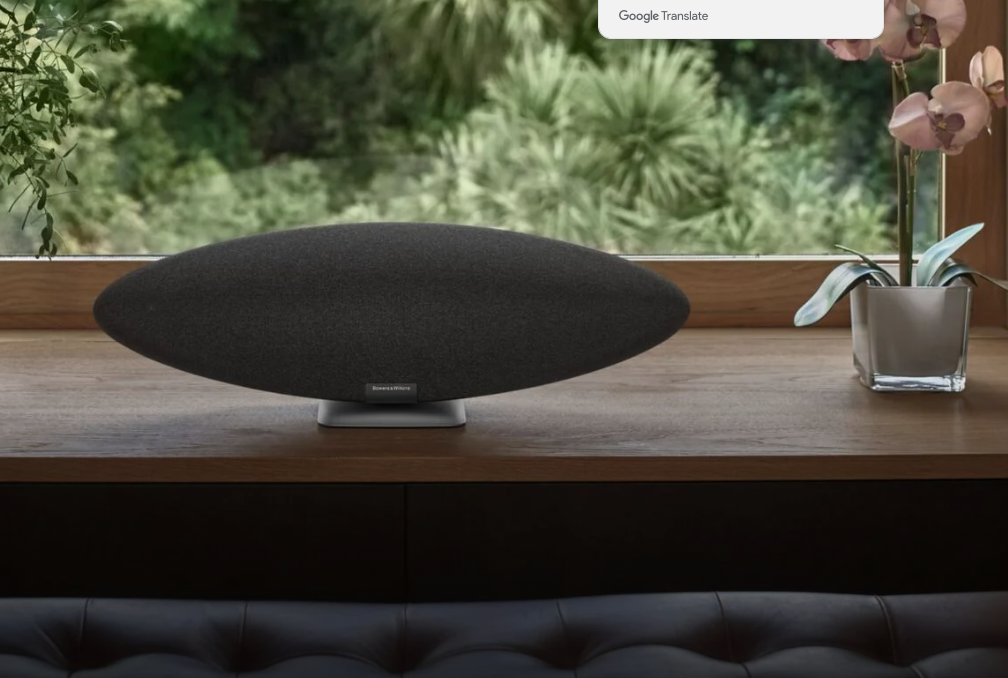
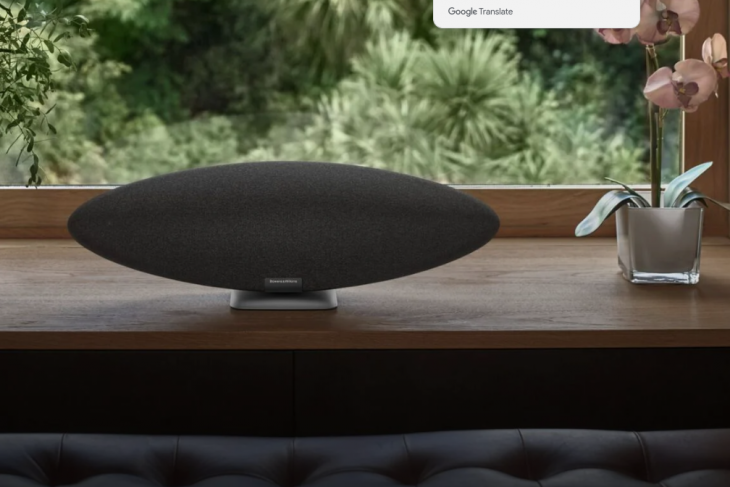
The European high-end audio industry—including premium speakers, headphones, and home audio systems—has entered a new phase of technological and cultural transformation. Driven by digital entertainment consumption, wireless technologies, and demand for immersive home audio experiences, the sector is evolving rapidly. Brands such as Bowers & Wilkins represent the premium segment of this industry, which combines acoustic engineering, luxury design, and advanced consumer electronics. This article analyzes the current state of the European audio equipment market and explores the key directions shaping its future development, supported by industry data and technological trends.
- Industry Overview in Europe
Europe has long been a center for high-fidelity audio innovation, with countries such as the United Kingdom, Germany, and France hosting globally recognized acoustic engineering companies. The European audio equipment market was valued at approximately USD 6.58 billion in 2025, and forecasts suggest it could reach USD 18.31 billion by 2034, indicating strong growth driven by demand for wireless devices and home entertainment systems.
Within this broader market, personal audio devices—such as headphones and earphones—represent a particularly dynamic segment. The European headphone and earphone market alone reached USD 20.84 billion in 2025 and is expected to expand to USD 39.75 billion by 2034, reflecting a compound annual growth rate of approximately 7.4%.
Consumer adoption is widespread: over 89% of Europeans aged 16–64 regularly use personal listening devices, illustrating the scale of audio consumption in modern lifestyles.
The premium segment—where brands such as Bowers & Wilkins compete—has also experienced strong demand, with high-end audio systems gaining popularity among audiophiles and luxury consumers seeking superior sound quality.
- Growth Drivers of the European Audio Market
2.1 Expansion of Digital Entertainment
Streaming platforms have significantly transformed music consumption patterns. More than 68% of European households subscribe to at least one digital streaming service, which directly increases demand for high-quality playback devices such as wireless speakers and premium headphones.
As streaming quality improves through lossless audio and spatial sound technologies, consumers increasingly invest in devices capable of delivering studio-level audio fidelity.
2.2 Smart Home Integration
Another major driver of the industry is the rapid development of smart home ecosystems. Wireless speakers and sound systems increasingly integrate with voice assistants and home automation platforms, allowing seamless connectivity between televisions, smartphones, and household devices.
Wireless speakers now represent the largest product category in Europe’s audio equipment market, accounting for approximately 34% of total revenue in 2025.
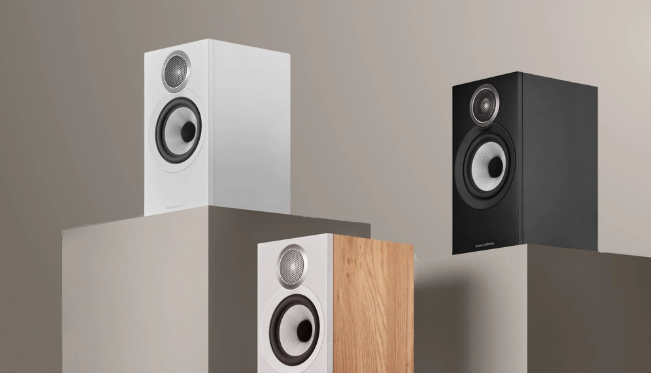
This integration positions audio devices not only as entertainment tools but also as central components of connected living environments.
2.3 Premiumization of Consumer Electronics
European consumers show a strong preference for high-quality, design-focused electronics. Premium audio products combine advanced engineering with luxury aesthetics, making them attractive lifestyle products rather than purely functional devices.
The luxury audio segment has expanded steadily, with premium brands capturing growing demand from affluent consumers seeking differentiated listening experiences. In fact, the high-end speaker market includes several European leaders, and Bowers & Wilkins held approximately 22% market share in high-end speaker brand sales in 2023, highlighting the strength of the premium sector.
- Future Development Directions
3.1 Wireless and Seamless Connectivity
The shift from wired to wireless technology will remain the most influential industry trend. Future audio devices will increasingly rely on advanced wireless protocols, low-latency Bluetooth standards, and Wi-Fi streaming technologies.
These developments will enable:
Multi-room audio ecosystems
Seamless device switching
Reduced hardware complexity
Wireless audio products are expected to dominate the market as consumers prioritize convenience and minimalist design.
3.2 Immersive and Spatial Audio
Spatial audio and immersive sound formats are rapidly reshaping listening experiences. Technologies such as Dolby Atmos and object-based audio allow listeners to experience three-dimensional sound environments.
These technologies are particularly important for:
Home cinema systems
Gaming audio
Virtual and augmented reality
As immersive entertainment becomes more common, demand for compatible premium speakers and headphones will continue to rise.
3.3 Integration with Consumer Electronics Ecosystems
The boundaries between audio hardware and consumer electronics are becoming increasingly blurred. Major technology companies are integrating premium audio technologies into smartphones, televisions, and automotive systems.
Industry consolidation reflects this trend. For example, the consumer audio division containing brands such as Bowers & Wilkins has been integrated into broader technology ecosystems through acquisitions by large electronics groups, aiming to combine advanced acoustic engineering with mass-market electronics platforms.
This integration may significantly expand the reach of high-end audio technology.
3.4 Sustainability and Eco-Friendly Design
European consumers increasingly prioritize environmental responsibility. Audio equipment manufacturers are responding by adopting:
recyclable materials
modular repairable designs
energy-efficient electronics
longer product life cycles
Regulatory frameworks such as the EU’s electronic waste directives are also encouraging manufacturers to design products that are easier to recycle and repair.
3.5 Personalization and AI-Enhanced Audio
Artificial intelligence is beginning to influence the design and functionality of audio devices. Future systems may automatically adjust sound profiles according to the listener’s hearing preferences, listening environment, or content type.
Emerging developments include:
AI-based noise cancellation
adaptive sound calibration
biometric audio personalization
These innovations could redefine how consumers interact with audio devices.
- Challenges Facing the Industry
Despite strong growth prospects, the European audio equipment sector faces several challenges.
First, competition from mass-market electronics manufacturers has intensified. Global technology companies produce affordable audio products at large scale, placing pressure on traditional hi-fi brands.
Second, supply chain volatility and rising material costs continue to affect hardware manufacturing.
Finally, rapidly changing consumer expectations require continuous innovation in both hardware design and software integration.
- Conclusion
The European high-end audio industry is entering a new stage defined by technological convergence, digital lifestyles, and premium consumer demand. Market growth is supported by the widespread adoption of streaming services, smart home ecosystems, and immersive entertainment technologies.