



Future Trends in the Secondary Imaging Equipment Market


Abstract
The secondary imaging equipment market has become an increasingly important segment of the global photography and video technology industry. Driven by sustainability awareness, affordability demand, and the continued presence of professional and enthusiast users, the used camera and imaging equipment sector is evolving rather than declining. This article analyzes the future development trends, competitive landscape, and long-term market potential of the secondary imaging equipment industry. Evidence suggests that the industry will maintain steady growth through digital marketplace innovation, creator economy expansion, and technological integration.
1. Industry Background and Market Scale
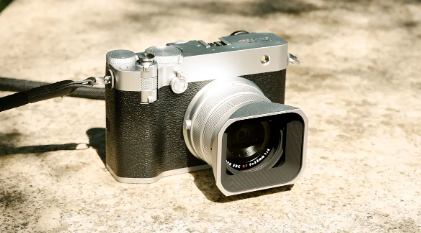
The secondary imaging equipment market includes used cameras, lenses, video production tools, and related accessories traded through structured platforms.
The global camera equipment industry has experienced structural transformation over the past decade. While smartphone photography has significantly reduced demand for entry-level cameras, professional and advanced imaging equipment continues to maintain strong relevance.
Industry estimates suggest that secondary market transactions may represent approximately 20–30% of total interchangeable-lens camera equipment circulation in mature markets such as Europe, North America, and Japan.
Platforms such as MPB have contributed to market professionalization by offering certified grading systems, warranty assurance, and structured resale channels.
2. Growth Drivers of the Industry
2.1 Sustainability and Circular Economy
Environmental sustainability is becoming a core driver of consumer behavior in Europe.
Approximately 55%–65% of consumers in developed markets express willingness to purchase refurbished or pre-owned electronics when product quality is guaranteed.
The secondary imaging equipment market aligns well with circular economy principles because:
- Electronic hardware possesses long product life cycles
- Professional camera bodies and lenses retain functional value over time
- Refurbishment reduces electronic waste
European regulatory frameworks encouraging sustainable consumption are expected to further support market expansion.
2.2 Expansion of the Creator Economy
The rise of digital content creation is reshaping equipment demand.
Modern creators require multi-layer production tools for:
- Social media video production
- Photography and cinematic content
- Streaming and educational media
Although smartphones dominate casual content creation, high-quality visual production still requires advanced optics and sensor technology that mobile devices cannot fully replicate.
Hybrid workflow models are emerging, where creators combine smartphone devices with professional imaging equipment.
3. Competition with Smartphone Imaging Technology
Smartphone imaging technology represents the primary competitive pressure on entry-level camera markets.
Modern smartphones integrate computational photography, multi-lens processing, and artificial intelligence image enhancement.
However, professional imaging equipment maintains advantages in:
- Optical depth control
- Low-light performance
- Interchangeable lens versatility
- Long-form professional production
The market is transitioning from mass consumer photography toward specialized creator and professional usage.
4. Digital Marketplace Transformation
Future industry growth will be strongly associated with platform innovation.
Secondary equipment platforms are expected to adopt:
- Artificial intelligence-based pricing evaluation
- Automated equipment quality grading
- Virtual product visualization technologies
- Traceable ownership history systems
These technologies will improve transaction trust and reduce market friction.
Digital marketplaces also enable globalized trading, allowing equipment circulation across geographic regions.
5. Market Expansion Space
The secondary imaging equipment industry is unlikely to be eliminated.
Several structural factors support long-term development:
- Professional photography and filmmaking demand will remain stable.
- Enthusiast communities continue to value optical hardware quality.
- Sustainable consumption trends favor refurbished electronics.
- Emerging creative markets will require affordable professional equipment.
Industry forecasts suggest that secondary imaging equipment marketplaces may sustain annual growth rates between 6% and 9% through 2030.
6. Future Development Directions
6.1 Service-Oriented Platform Model
Future platforms will evolve from simple resale marketplaces into comprehensive service ecosystems.
Potential services include:
- Rental and leasing programs
- Trade-in upgrade systems
- Maintenance and refurbishment certification
- Creator community engagement
6.2 Integration of Artificial Intelligence
AI technology will be widely applied in:
- Equipment condition evaluation
- Market price prediction
- Personalized product recommendation
- Image quality performance assessment
6.3 Global Market Integration
The industry will continue expanding into emerging economies where access to professional imaging equipment remains limited by price barriers.
Secondary market platforms will play an important role in democratizing high-quality visual technology.
7. Industry Challenges
Despite positive prospects, several challenges remain:
- Rapid hardware innovation cycles may reduce resale value of older models.
- Quality certification standards vary across platforms.
- Logistics and cross-border trade regulations may increase operational complexity.
Addressing these issues requires standardized grading systems and technological transparency.
Conclusion
The secondary imaging equipment market is transforming rather than declining. Although smartphone imaging technology has changed consumer behavior, demand for professional and enthusiast-level imaging equipment remains strong.
Future industry development will be driven by sustainability consumption, digital marketplace innovation, and creator economy expansion. Platforms such as MPB represent a new model of electronics circulation that combines technology, environmental responsibility, and consumer accessibility.
Overall, the secondary imaging equipment market is expected to maintain stable long-term growth and continue playing an important role in the global visual technology ecosystem.