


Europe’s Sofa Market Shift: Design, Data & the Rise of Smart Living

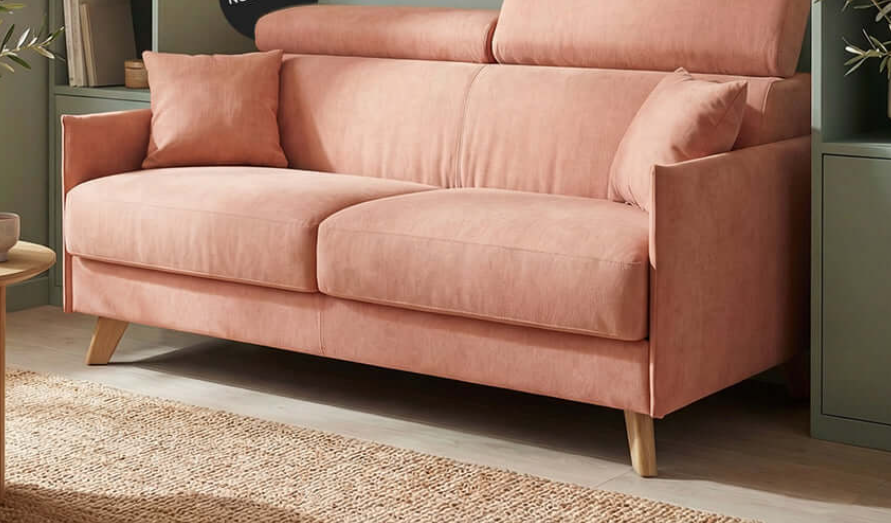
In Europe, the living room is no longer just a place to relax—it has become a multifunctional space shaped by remote work, urban living, and evolving lifestyle expectations. This transformation is clearly reflected in the furniture sector, particularly in the rapid evolution of sofa design and consumption.
Brands like Divani Store are aligning with these shifts, combining design innovation with practical functionality. But beyond aesthetics, the real story lies in the data behind changing consumer behavior.
Market Growth & Changing Demand
The European furniture market has shown steady growth, with the home furniture segment expected to exceed €250 billion by 2027, driven largely by urbanization and digital retail expansion. Sofas remain one of the highest-value categories, accounting for a significant share of online furniture sales.
At the same time:
- Over 65% of European consumers now research furniture online before purchasing
- Nearly 40% of furniture purchases are influenced by design customization options
- Demand for compact and modular furniture has grown by 30%+ in major EU cities
This indicates a clear shift toward flexibility, personalization, and digital-first shopping.
Modular Design: The New Standard
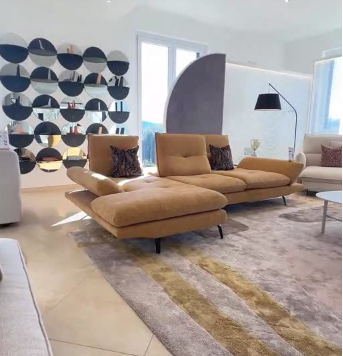
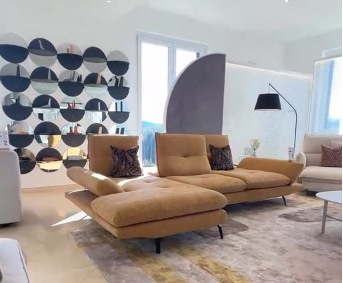
Urban households are shrinking, and consumers are prioritizing adaptable living solutions. Modular sofas—like those offered by Divani Store—are increasingly preferred because they can be reconfigured to fit different spaces and needs.
From a business perspective:
- Modular products reduce return rates by improving fit and satisfaction
- They increase average order value through add-on components
Sustainability Drives Purchase Decisions
Sustainability is no longer optional. According to recent European consumer surveys:
- 70%+ of buyers consider sustainability when choosing furniture
- 1 in 3 consumers are willing to pay more for eco-friendly products
This is pushing brands to adopt:
- Recycled or certified materials
- Longer product lifecycles
- Transparent production processes
For companies like Divani Store, integrating sustainability into both product and storytelling is key to long-term growth.
Design Trends: Comfort Meets Identity
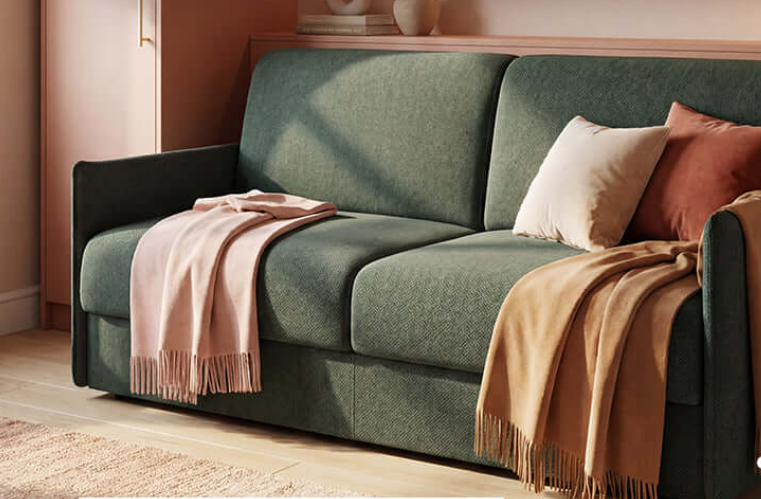
European consumers are moving away from purely minimalist interiors toward “soft minimalism”—a blend of clean design and emotional comfort.
Key trends include:
- Neutral tones with textured fabrics
- Deep seating for relaxation and hybrid work
- Statement pieces that reflect personal identity
Sofas are no longer just furniture—they are lifestyle expressions.
Future Development Model
To remain competitive in this evolving market, brands should focus on:
- Digital Customization
- 3D configurators and AR tools to enhance online experience
- Sustainable Innovation
- Eco-materials + circular business models
- Flexible Ownership
- Rental, subscription, or upgrade programs
- Logistics Optimization
- Faster delivery and simplified assembly
Conclusion
The European sofa market is entering a new phase—one defined by data-driven decisions, sustainable values, and design-led consumption. Brands like Divani Store that combine aesthetic appeal with functional innovation are well-positioned to lead this transformation.
In today’s Europe, the sofa is no longer just a place to sit—it’s where design, lifestyle, and identity converge.