

The Rise of Casual Sandals in America

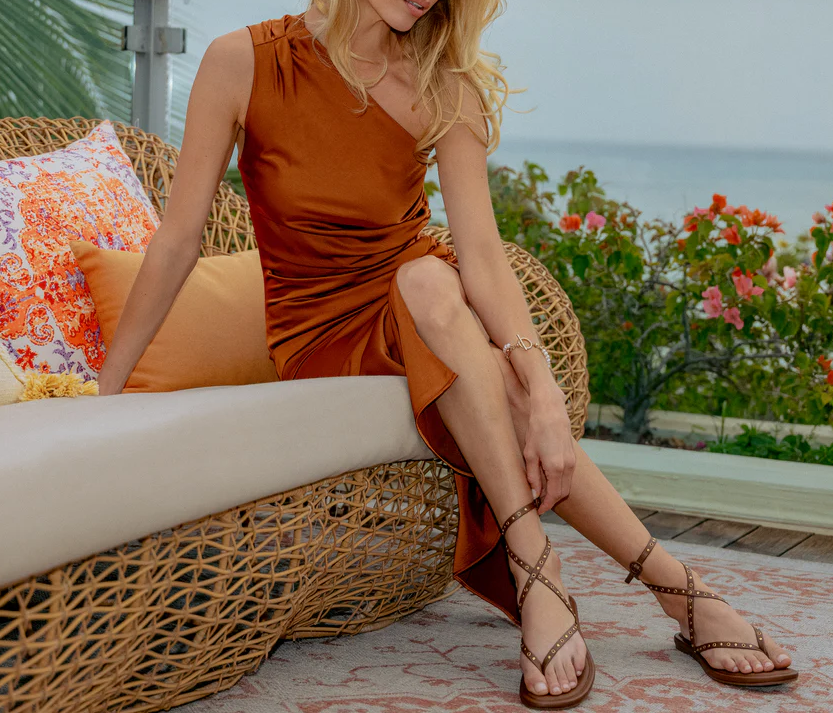
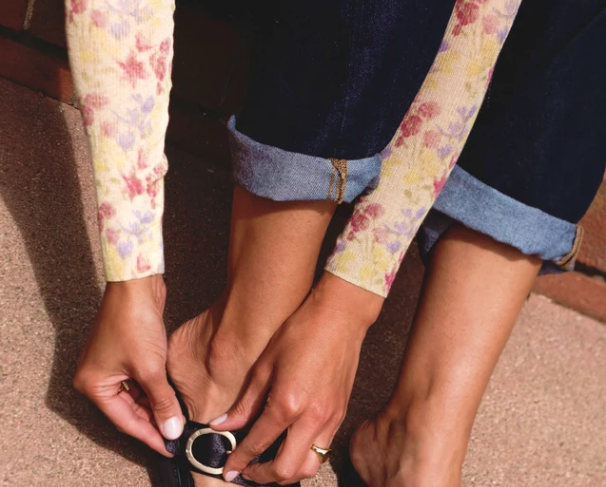
In today’s American fashion landscape, comfort is no longer a compromise—it is the trend. The casual sandal industry, once defined by beachwear basics, has evolved into a billion-dollar segment shaping how Americans dress, travel, and express lifestyle identity.
A Growing Market Driven by Lifestyle Shifts
The U.S. flip-flop and sandal market reached approximately $2.5 billion in 2024 and is projected to grow to $4.1 billion by 2034, with a steady CAGR of 5.1%.
This growth is fueled by fundamental changes in consumer behavior:
- Casualization of dress codes—remote work and relaxed office environments have redefined everyday footwear.
- Outdoor lifestyle culture—Americans increasingly prioritize travel, leisure, and wellness.
- Higher demand for versatility—footwear must transition seamlessly from beach to city.
Men currently account for around 40% of the market, but women’s sandals are the fastest-growing segment, expected to expand at 6.2% CAGR, reflecting rising demand for fashion-forward yet comfortable designs.
Comfort as the New Luxury
The biggest shift in the sandal industry is the redefinition of luxury.
Instead of aesthetics alone, consumers now prioritize:
- Cushioned footbeds
- Arch support and ergonomic design
- Lightweight, travel-friendly construction
This mirrors broader footwear trends, where comfort-focused brands have outperformed traditional fashion labels. Even globally, sandal and comfort-shoe companies have reported strong sales growth as consumers “become more selective and intentional in their spending.”
The message is clear: functionality now defines desirability.
Design Evolution: From Beachwear to Fashion Statement
Modern sandals are no longer limited to casual flip-flops.
The industry has diversified into multiple style categories:
- Elevated Minimalism
Clean lines, neutral tones, and versatile silhouettes that pair easily with everyday outfits. - Platform and Height-Boosting Styles
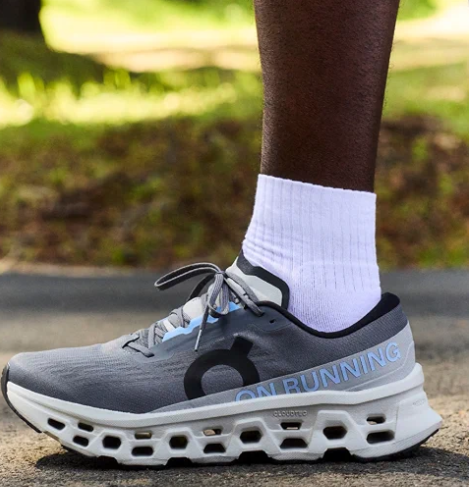
Subtle platforms provide comfort while adding height—an increasingly popular choice for urban wear. - Sport-Inspired Sandals
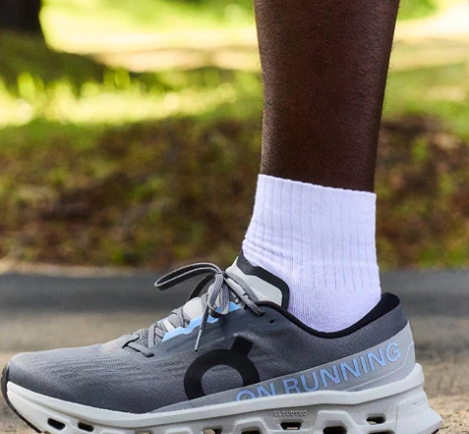
Technical designs influenced by hiking and outdoor gear, merging durability with street style. - Embellished and Statement Pieces
Metallic finishes, textures, and fashion-driven details bring sandals into evening and occasion wear.
These trends reflect a broader fashion shift: footwear must be both practical and expressive.
Styling Directions: How America Wears Sandals Today
In the U.S., sandals are no longer confined to summer vacations. They are integrated into year-round wardrobes through adaptable styling:
- Coastal Casual
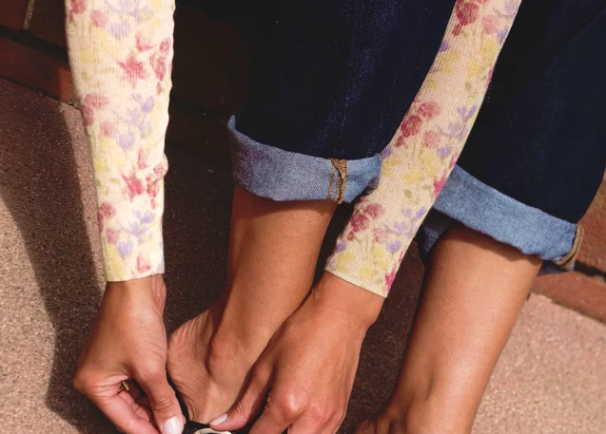
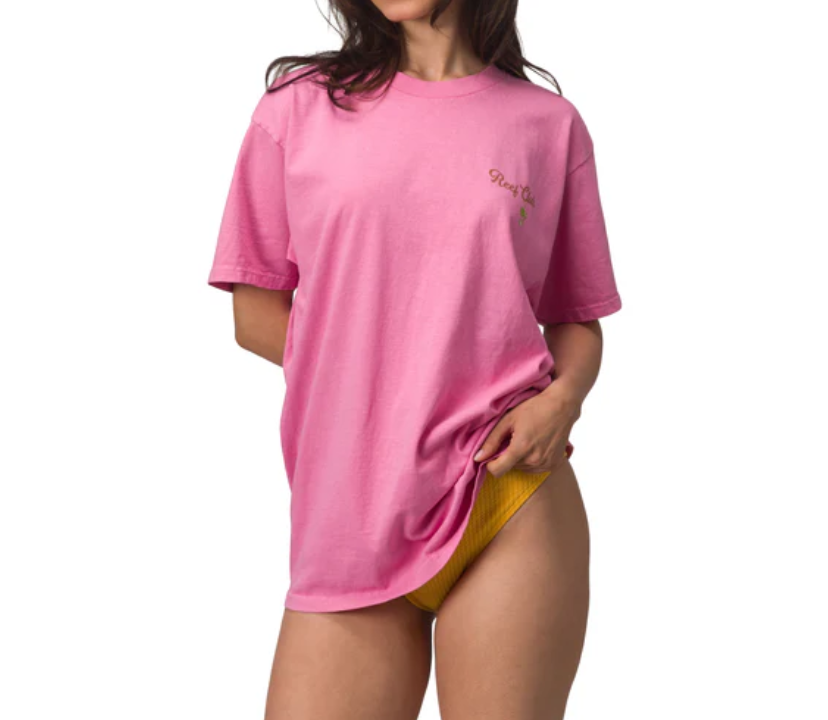
Pairing sandals with denim shorts, linen shirts, and oversized tees for a relaxed beach aesthetic. - Urban Minimalist
Neutral sandals styled with tailored trousers or monochrome outfits for city-ready looks. - Athleisure Fusion
Combining sandals with joggers, hoodies, or performance fabrics—reflecting the dominance of comfort wear. - Resort-to-Street Transition
Flowing dresses or skirts styled with structured sandals, bridging vacation and everyday fashion.
The result is a hybrid wardrobe where comfort-driven footwear complements multiple identities—traveler, professional, and leisure seeker.
Sustainability and Material Innovation
Another defining force in the industry is sustainability.
Consumers increasingly demand:
- Eco-friendly materials (recycled textiles, responsibly sourced leather)
- Longer-lasting construction to reduce waste
- Transparent supply chains
Brands are responding by integrating sustainable design without compromising comfort or style—making environmental awareness a key competitive factor.
The Future: Smart Casual and Lifestyle Integration
https://www.linkhaitao.com/index.php?mod=lhdeal&track=6456wteJmkK2BjVg_aT1WKoKYMM9siP7VnUZamOHIWeUMQ0AnAj5PwEN0l1h6nXKf&new=https%3A%2F%2Fwww.reef.com
Looking ahead, the sandal industry is expected to evolve in three key directions:
- Hybrid Functionality
Products that combine the support of sneakers with the openness of sandals. - Material Innovation
Advanced cushioning technologies and water-friendly materials will enhance performance and durability. - Lifestyle Branding
Sandals will increasingly represent not just footwear, but a mindset—freedom, mobility, and ease.
Final Word
The American sandal industry is no longer just seasonal—it is structural.
As consumers continue to prioritize comfort, versatility, and lifestyle alignment, sandals have become a defining element of modern fashion.
In an era where style meets function, the humble sandal has quietly stepped into the spotlight—and it shows no sign of slowing down.